Biography
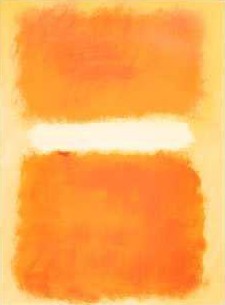
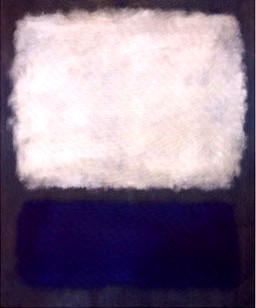
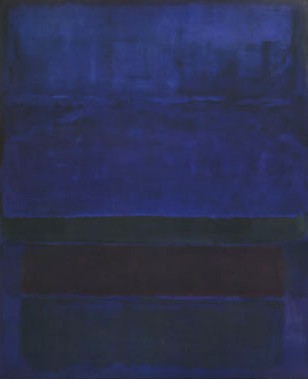
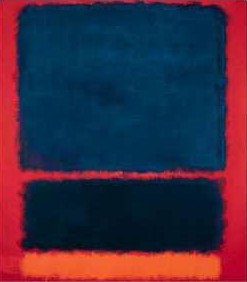
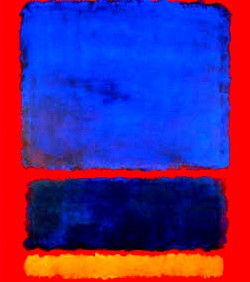
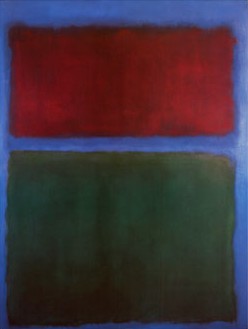
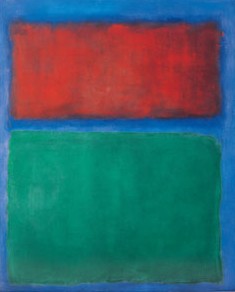
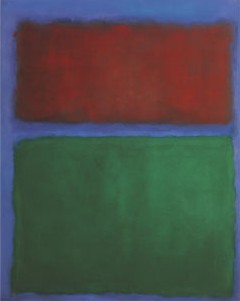
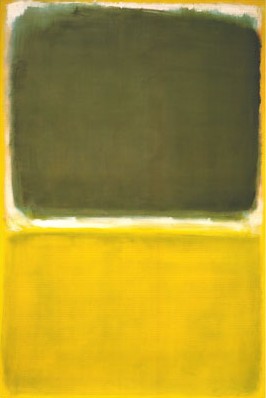
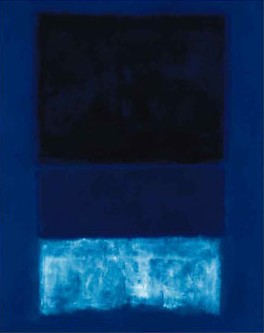
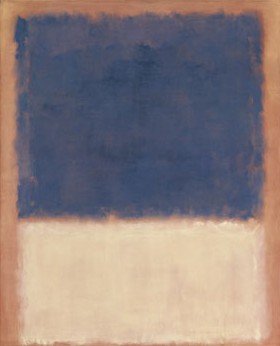
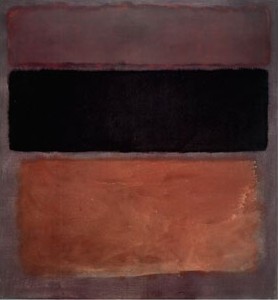
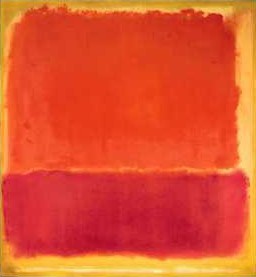
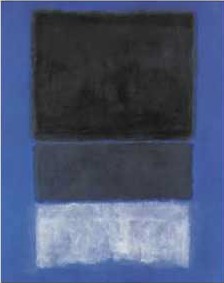
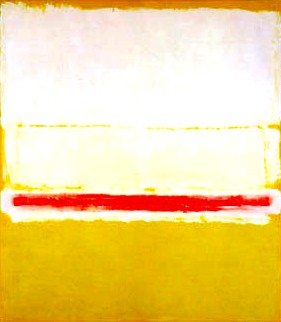
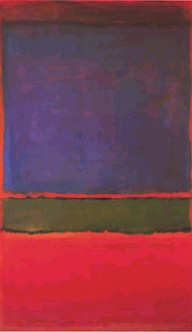
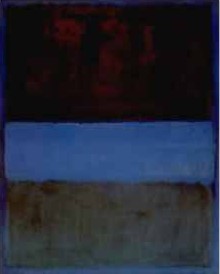
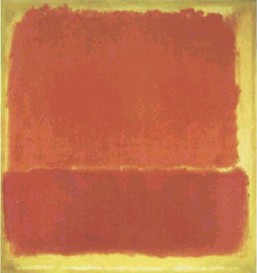
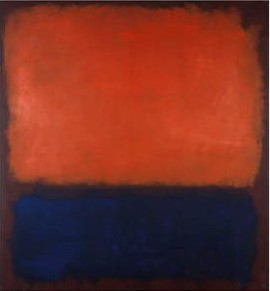
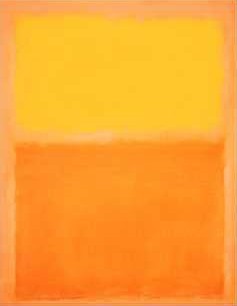
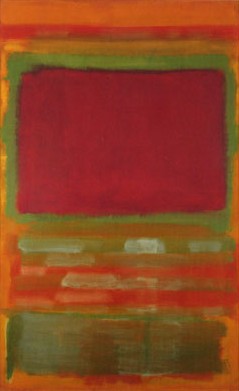
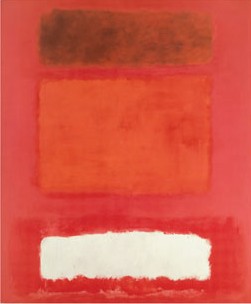
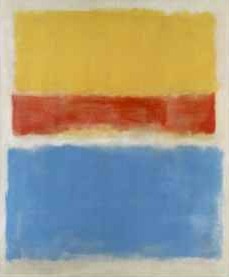
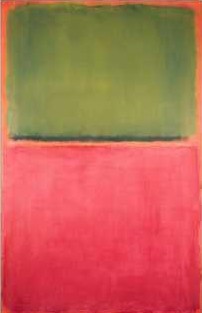
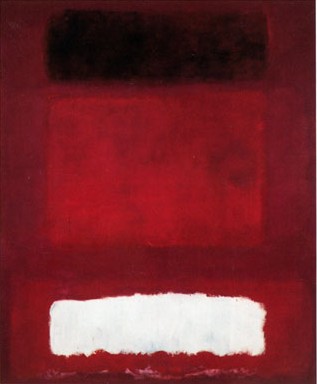
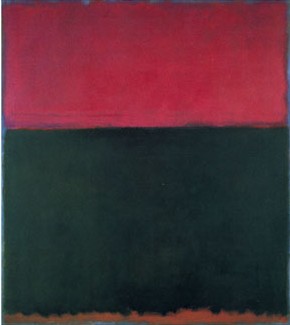
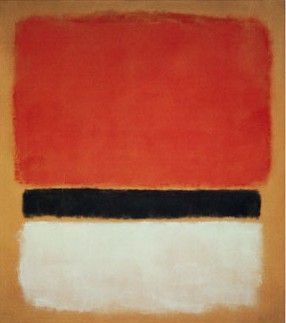
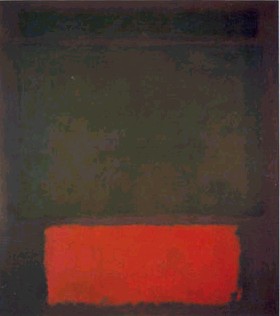
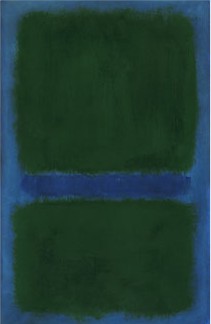
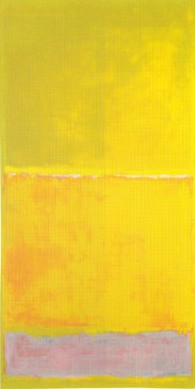
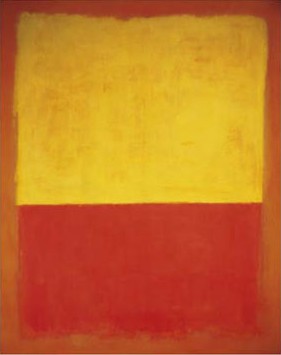
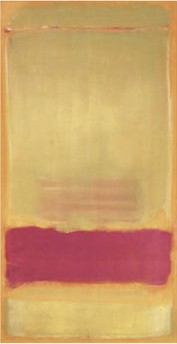
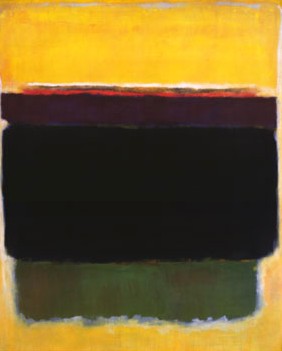
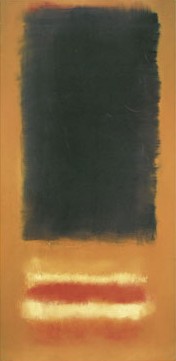
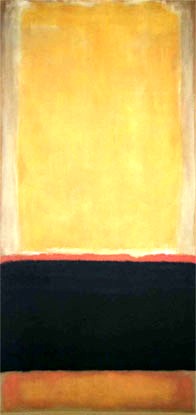
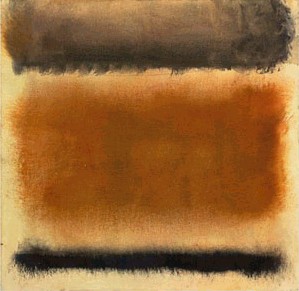
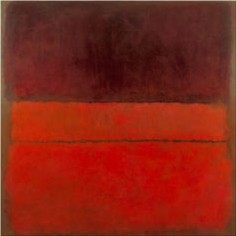
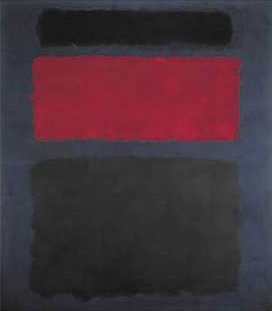
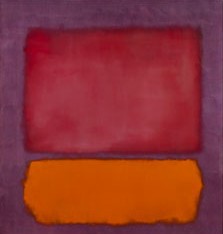
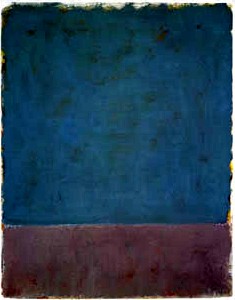
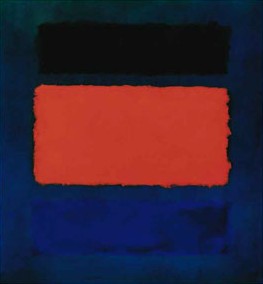
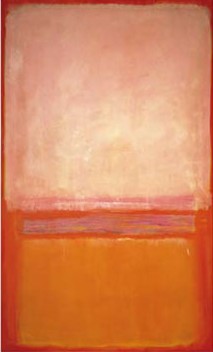
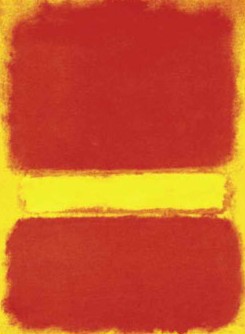
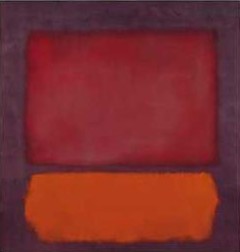
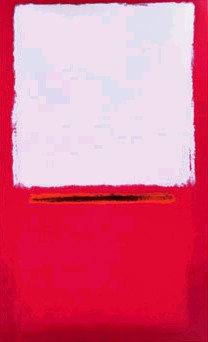
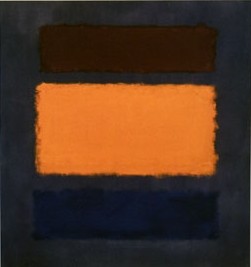
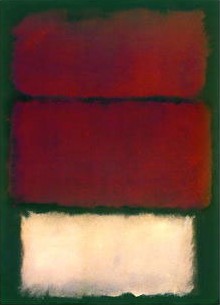
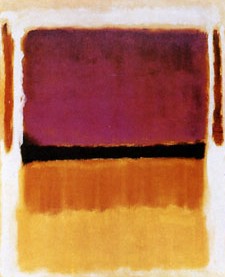
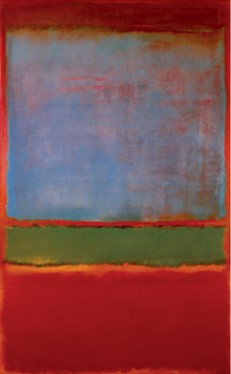
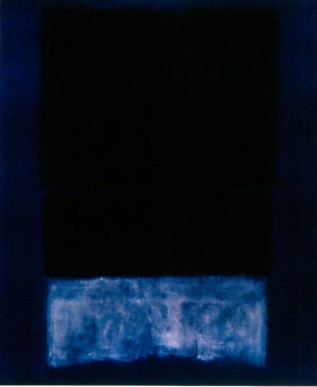
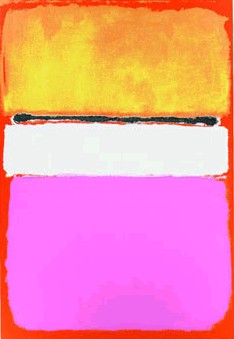
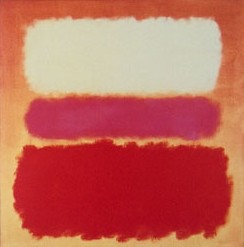
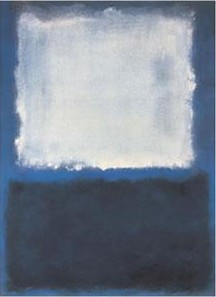
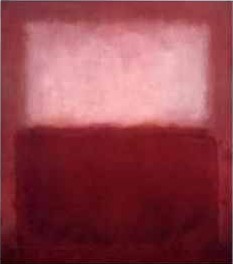
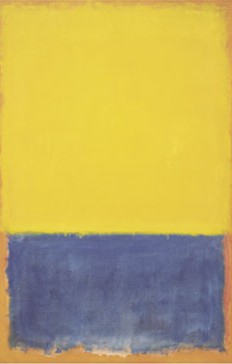
Mark Rothko — born Marcus Rothkowitz in Latvia, then part of the Russian Empire — emigrated to the United States in 1913. He is chiefly remembered for his immense, luminous abstract canvases: hovering rectangles of colour that seem to breathe, their edges dissolving softly into grounds of contrasting hue. Colours so deep you can almost drown in them.
He began painting in 1926, his early work showing the influence of Surrealism — more movement, more swirling imagery. By the late 1940s he had arrived at the iconic format that would define the rest of his career. His first one-man show was at the Portland Museum in 1933, when he was twenty-nine.
In 1940, fearing the rise of Nazi sympathy in the United States, he changed his name from Marcus Rothkovich to Mark Rothko and became an American citizen. He was married twice — firstly to Edith Sachar, a jewellery designer, and later to Mary Alice Beistle, an illustrator of children's books. His last studio was at 157 East 69th Street, New York.
After long years of depression, Rothko died by suicide in 1970 at sixty-six. He remains one of America's most important post-war artists. His paintings are held in major collections worldwide, most notably the Tate Modern, London, and the Museum of Modern Art, New York. Standing before a Rothko is one of the great experiences in art.
Find Rothko Prints & Posters
Tate Modern Defacement — October 2012
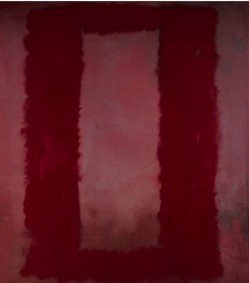
A Rothko Seagram mural at the Tate Modern was defaced on 7 October 2012 when a visitor applied black paint to the canvas. The gallery was briefly closed; police launched an investigation. A Polish national, Wlodzimierz Umaniec (also known as Vladimir Umanets), 26, admitted writing his name and the words "A Potential Piece of Yellowism" on the painting. He was charged with causing criminal damage in excess of £5,000 and appeared at Camberwell Green Magistrates' Court.
Umanets claimed he had not damaged or destroyed the work, but had added something new — even suggesting he had increased its value. Tate's conservation team assessed and repaired the damage.
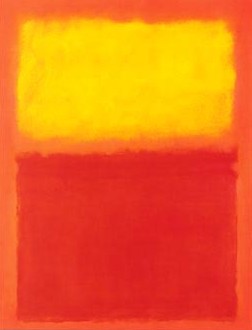
Earlier that year, Rothko's Orange, Red, Yellow (1961) had sold at Christie's New York for £53.8 million — the highest price paid for a post-war work at auction at that time.
Selected Works
- Aquatic Dreams
- Swirl at the Edge of the Sea
- Bathers, or Beach Scene 1933/34
- Untitled 1949
- Untitled 1950
- Untitled No. 16 1950
- Violet, Green and Red 1951
- Untitled (Green, Red on Orange) 1951
- Number 12 1951
- No. 12 c.1951
- No. 61, Rust and Blue 1953
- Homage to Matisse 1953
- Untitled 1953
- No. 203 1954
- Yellow, Blue, Orange 1955
- Untitled 1955
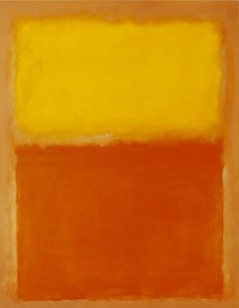
- Orange and Yellow 1956
- No. 14 (White and Greens in Blue) 1957
- Red, White and Brown 1957
- Untitled 1958
- Untitled 1960
- Number 14 1960
- Blue, Orange, Red 1961
- Untitled 1961
- Orange, Red, Yellow 1961 — sold £53.8m, Christie's NY
- Blue and Grey 1962
- Untitled 1962
- Untitled c.1962
- No. 10, Brown, Black, Sienna on Dark Wine 1963
- White on Blue 1968
- Untitled (Blue on Blue Ground) 1968
- Acrylic on Paper 1968
- Untitled 1969
Gallery
Prints
Mark Rothko Exhibition Posters & Art Prints
Lenin Imports is an affiliate of the eBay Partner Network.
© by the appropriate owners of the included material