Laurence Olivier

Laurence Olivier
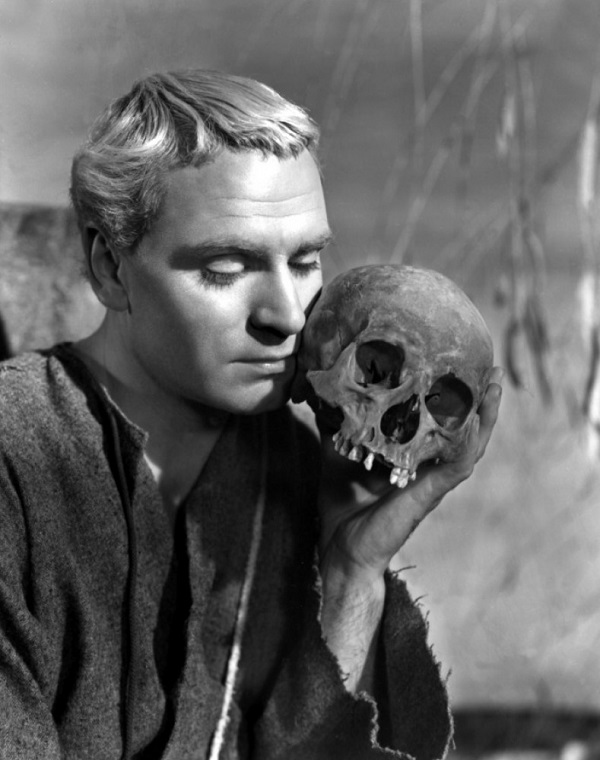
Laurence Olivier

Jean Simmons & Laurence Olivier
Biography / Gallery
Early Life
Lord Laurence Olivier was born Laurence Kerr Olivier on 22 May 1907 in Dorking, Surrey, UK. Olivier was the son of an Anglican minister who, despite his well-documented severity, was an unabashed theatre lover, enthusiastically encouraging young Olivier to give acting a try.
The boy made his first public appearance at age nine, playing Brutus in an All Saints' production of Julius Caesar.
No member of the audience was more impressed than actress Dame Sybil Thorndike, who knew then and there that Olivier had what it took...(scroll down).
Personal Details
Name: Laurence Olivier
Birthname: Laurence Kerr Olivier
Profession: Actor
Date of Birth: 22 May 1907
Place of Birth: Dorking, Surrey, UK
Height: 5' 10" (1.78 m)
Spouses:
Joan Plowright (17 March 1961 – 11 July 1989) (his death) 3 children
Vivien Leigh (31 August 1940 – 6 January 1961) (divorced)
Jill Esmond (25 July 1930 – January 1940) (divorced) 1 child
Died: 11 July 1989
Place of Death: Steyning, West Sussex, UK (complications from a muscle disorder)
Interred: Ashes buried in the south transept of Westminster Abbey, London
Titles: Sir Laurence Olivier, Lord Olivier, Baron Olivier of Brighton
'Without Acting I Cannot Breathe.'
- SIR LAURENCE OLIVIER
Biography: Fragments From a Life
Much has been made of the fact that the 15-year-old Olivier played Katherine in a St. Edward's School production of The Taming of the Shrew; there was, however, nothing unusual at the time for males to play females in all-boy schools. (For that matter, the original Shakespeare productions in the 16th and 17th centuries were strictly stag.) Besides, Olivier was already well versed in playing female roles, having previously played Maria in Twelfth Night.
Two years after The Taming of the Shrew, he enrolled at the Central School of Speech Training and Dramatic Art, where one of his instructors was Claude Rains.
Olivier made his professional London debut the same year in The Suliot Officer, and joined the Birmingham Repertory in 1926; by the time Olivier was 20, he was playing leads.
His subsequent West End stage triumphs included Journey's End and Private Lives.
In 1929, he made his film debut in the German-produced A Temporary Widow. He married actress Jill Esmond in 1930, and moved with her to America when Private Lives opened on Broadway.
Signed to a Hollywood contract by RKO in 1931, Olivier was promoted as “the new Ronald Colman,” but he failed to make much of an impression onscreen.
By the time Greta Garbo insisted he be replaced by John Gilbert in her upcoming Queen Christina (1933), Olivier was disenchanted with the movies and vowed to remain onstage.
He graduated to full-fledged stardom in 1935, when he was cast as Romeo in John Gielgud's London production of Romeo and Juliet. (He also played Mercutio on the nights Gielgud assumed the leading role.)
Icon & Iconography
It was around this time that Olivier reportedly became fascinated with the works of Sigmund Freud, which led to his applying a “psychological” approach to his stage and screen characters. His performances improved dramatically, and he began to be judged on his own merits rather than compared to Gielgud or Ralph Richardson.
In collaboration with Richardson, Olivier directed his first play in 1936, which was also the year he made his first Shakespearean film, playing Orlando in Paul Czinner’s As You Like It.
Now a popular movie leading man, Olivier starred in Fire Over England (1937), 21 Days (1938), The Divorce of Lady X (1938), and Q Planes (1939).
He returned to Hollywood in 1939 to star as Heathcliff in Samuel Goldwyn’s Wuthering Heights, earning the first of his 11 Oscar nominations.
He followed this with leading roles in Hitchcock’s Rebecca (1940), MGM’s Pride and Prejudice (1940), and Korda’s That Hamilton Woman (1941).
Returning to England during World War II, Olivier served as a parachute officer in the Royal Navy and co-directed the Old Vic with Richardson. His most celebrated wartime contribution was his 1944 film Henry V, which won him an honorary Oscar.
He followed it with Hamlet (1948), winning Oscars for Best Actor and Best Picture.
The 1950s saw highs and lows — successes like The Beggar’s Opera (1953) and Richard III (1955) mixed with personal and professional turmoil, including his troubled marriage to Vivien Leigh.
Later Career
In 1956, Olivier reinvented himself as the seedy comic Archie Rice in John Osborne’s The Entertainer. The role rejuvenated his career and led to a celebrated film adaptation in 1960.
Through the 1960s, Olivier took on daring roles, including Crassus in Spartacus (1960) and the Mahdi in Khartoum (1965). He married Joan Plowright in 1961 and became artistic director of the National Theatre in 1962, serving for ten years.
To support the struggling National, he took on commercial acting jobs (including Polaroid commercials). During this period he suffered debilitating stage fright but continued his work on film and television, directing Othello (1965) and Dance of Death (1968).
His last stage appearance was in 1974. From then until his death, he accepted numerous film and television roles, some mediocre, some magnificent.
In 1979, he received an honorary Academy Award “for the full body of his work.” His final film appearance was in War Requiem (1988).
He was married three times:
- Jill Esmond (1930–1940) – 1 son
- Vivien Leigh (1940–1960)
- Joan Plowright (1961–1989) – 3 children
Children:
From Esmond: one son, Tarquin.
From Plowright: daughters Julie Kate and Tamsin, and son Richard.
Olivier was knighted in 1947 and made a life peer in 1970.
In an early draft of his autobiography he admitted to homosexual encounters, but this was removed before publication.
He died of complications from a muscle disorder on 11 July 1989 in Steyning, West Sussex, UK. He is interred in Westminster Abbey, London.
Links
- 49th Parallel
- RSC Shakespeare: The Life, The Works, The Treasures Book (Superb Olivier Memorabilia)
- Laurence Olivier Southbank Statue
- It's All Larry Olivier, It's Awesome ... It's Here - Laurence Olivier Wall of Film Posters
- It's All Rebecca, It's Awesome ... It's Here - Rebecca Film Posters
- Rebecca Gallery
- Beggar's Opera
- 49th Parallel
- Rebecca
- King Lear
- Laurence Olivier Centenary Collection
- Laurence Olivier Presents
- Laurence Olivier Presents Harold Pinter's The Collection
- Oh! What A Lovely War
- Fire Over England
- Richard III
- Rebecca
- That Hamilton Woman
- Wuthering Heights
- A Queen Is Crowned
- Other Galleries
- Laurence Olivier signed memorabilia @ eBay UK (direct link)
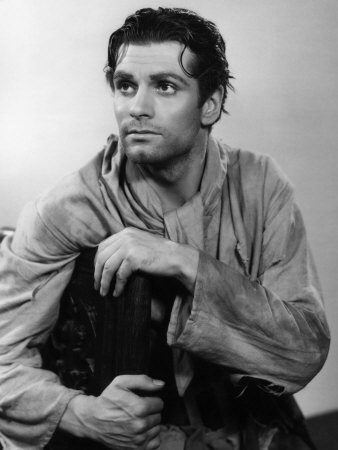
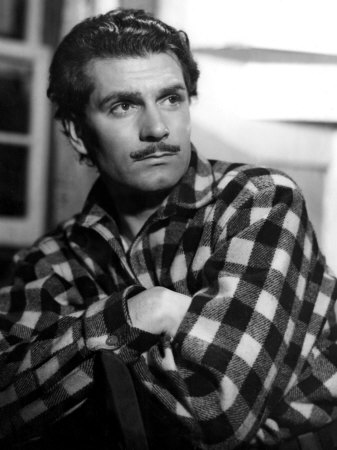


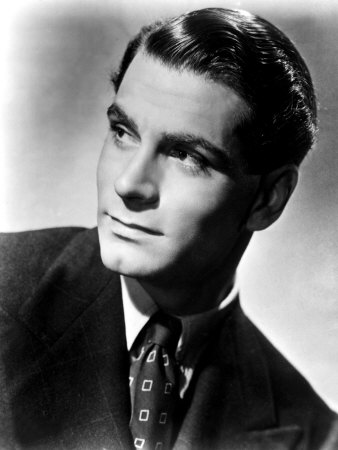

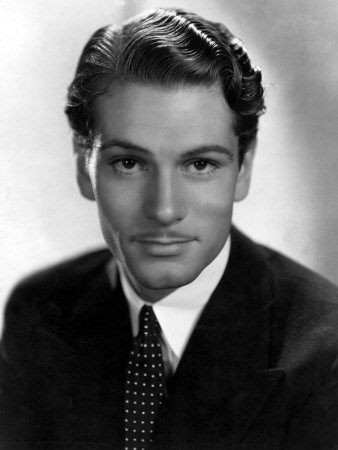
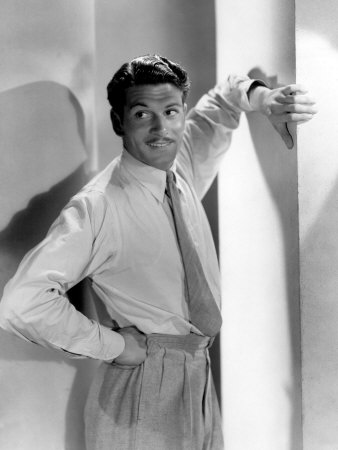

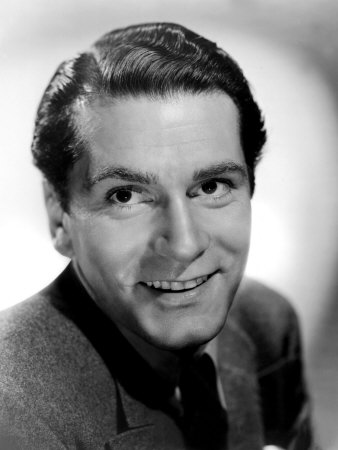
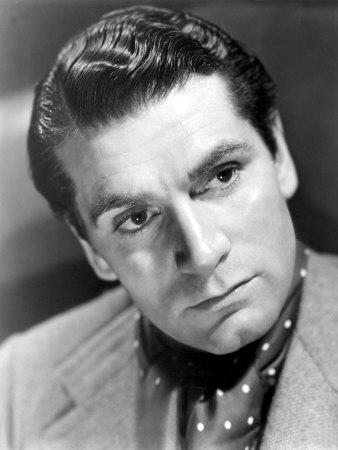
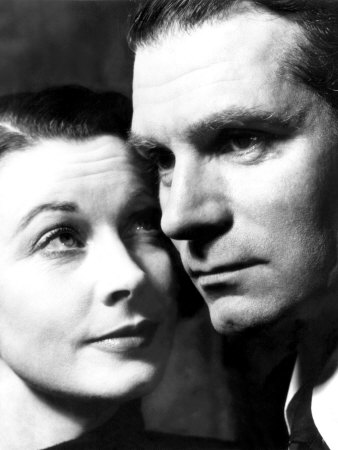
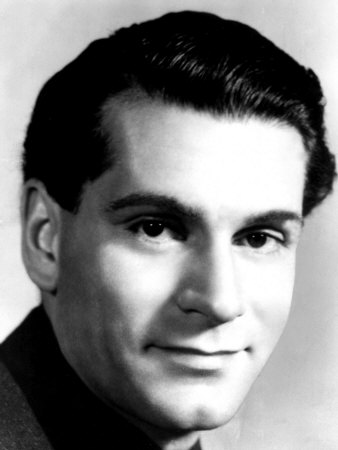


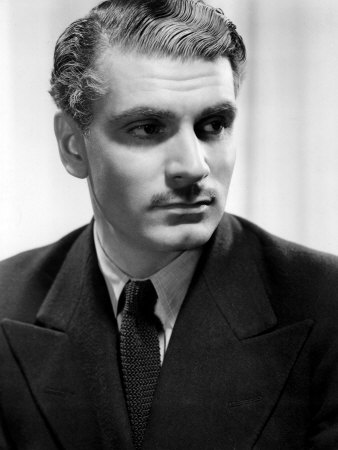


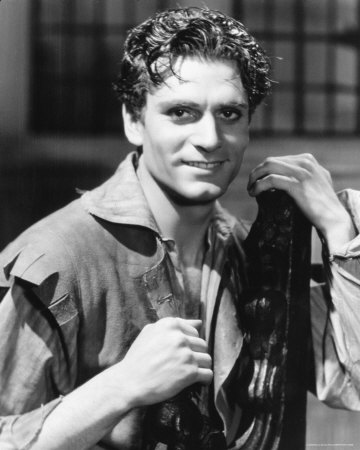

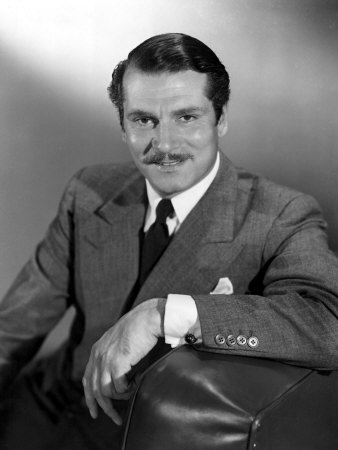
Photo copyright belongs to the respective photographers.
Laurence Olivier signed memorabilia @ eBay UK (direct link)