VISAGE
Links
Buy
Visage Vinyl - direct link @ ebay.co.uk
(Lenin is a participant in the eBay (EPN) affiliate program)
Visage / Steve Strange Fascinating Facts
Tears For Fears Fascinating Facts
Queen / Freddie Mercury Fascinating Facts
Danny Thompson Fascinating Facts
Talking Heads Fascinating Facts
Porcupine Tree Fascinating Facts
Adam and the Ants Fascinating Facts
Queen / Freddie Mercury Fascinating FactsMarc Bolan and T. Rex Fascinating Facts
Sting & The Police Fascinating Facts
Jean-Michel Jarre Fascinating Facts
Peter Gabriel Fascinating Facts
Holger Czukay Fascinating Facts
Anton Corbijn Fascinating Facts
Dexys Midnight Runners Fascinating Facts
Roxy Music / Bryan Ferry Fascinating Facts
Elvis Presley Fascinating Facts
Scott Walker Fascinating Facts
Michael Brook Fascinating Facts
Penguin Cafe Orchestra Fascinating Facts
David Bowie Rarities (Shipped From UK)
Cocteau Twins Fascinating Facts
Ryuichi Sakamoto Fascinating Facts
Haruomi Hosono Fascinating Facts
Yukihiro Takahashi Fascinating Facts
Hector Zazou Fascinating Facts
Frank Auerbach Fascinating Facts
Visage / Steve Strange
Artist
Visage / Steve Strange
Content
All the fascinating facts
More
Bitesized
Year
1970s to Present Day
Random and bite-sized facts on all things on the mythical band Visage. Totally random but totally fascinating if you're into it. Do you know Visage now?
--
Steve Strange Came Up With the Idea for the French Vocals on “Fade to Grey”
Steve Strange said that the idea of having French vocals on “Fade to Grey” was his. Rusty Egan was dating a French woman at the time, and Strange suggested using her voice and changing the English vocal into French. It was an important part of the record's distinctive atmosphere, although Strange later complained that the other members of Visage had not been involved in the track's creation.
--
“Fade to Grey” Was an Exception to Visage's Usual Working Arrangement
In an interview with The Quietus, Strange described “Fade to Grey” as the one track on which the other members of Visage had no involvement. The band's songwriting credits were often shared across the early recordings, even when individual members had not attended every session. Strange's recollection offers a glimpse of the sometimes complicated relationship between the group's collective identity and the way its music was actually made.
--
The First Visage Single Was Recorded Before the Band Had a Major Label
Visage recorded “Tar” with producer Martin Rushent at his Genetic Studios in 1979. Rushent initially financed further recordings with the intention of releasing the group's music through his own Genetic Records label, but that venture collapsed. Visage subsequently signed to Radar Records, which released “Tar” in September 1979. It failed to chart, making the group's later international success with “Fade to Grey” all the more striking.
--
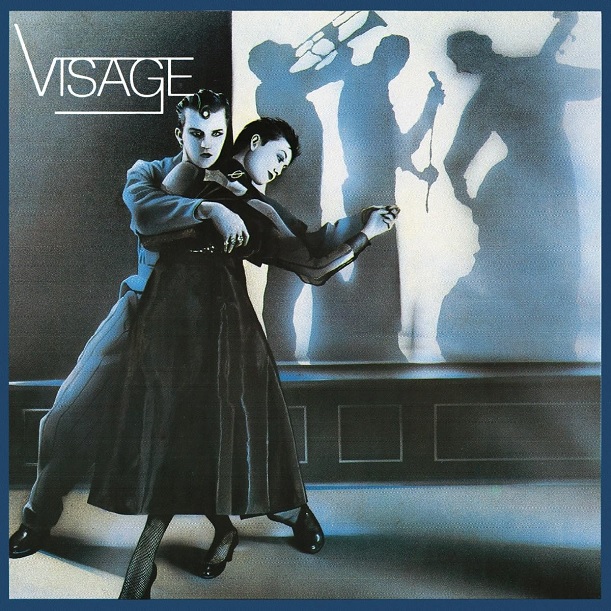
The Cover of Visage's Debut Album Was Photographed at the Blitz Club
The cover of Visage's 1980 debut album was photographed by Peter Ashworth inside the Blitz Club, the London venue associated with Steve Strange and Rusty Egan. The location connected the record directly to the club culture from which the group emerged. Visage was not simply a band associated with the New Romantic movement after the fact; its visual identity was closely tied to the scene that Strange helped organise.
--
Steve Strange Thought “Beat Boy” Was Better Than “The Anvil”
Strange expressed a surprisingly strong preference for Visage's third album, Beat Boy, over its predecessor, The Anvil. In a 2010 interview, he said he considered the third record excellent, despite its relative obscurity. He blamed the lack of promotion partly on the legal disputes surrounding the group at the time, which overshadowed the album's release in 1984.
--
Steve Strange's Clubs Could Attract Thousands of People
After the Blitz era, Strange and Rusty Egan moved on to Club for Heroes before becoming involved with Camden Palace. Strange recalled queues stretching around the block at Club for Heroes and said that some later nights attracted crowds of around 2,500. He believed that people sometimes attended partly because they wanted to see whether he or other pop stars would be there, turning the club itself into an event.
--
Steve Strange Appeared in David Bowie's “Ashes to Ashes” Video After a Surprise Journey
When David Bowie recruited Blitz regulars for the “Ashes to Ashes” video, Strange and his fellow club-goers imagined they were heading somewhere glamorous. Strange later recalled that they thought the trip might take them to the Bahamas, only to discover that the coach was going to Southend. The resulting beach footage became one of the defining visual documents of the emerging New Romantic scene.
--
The New Romantic Scene Began With Bowie Nights at a Small Soho Club
Before the Blitz became synonymous with New Romantic fashion, Strange and Egan organised Bowie-themed nights at Billy's in Soho. The club was much smaller than the venues that later hosted the movement, but the nights attracted people who wanted to experiment with clothing, make-up and musical influences beyond punk. The scene grew out of a club night and a shared visual attitude before the press settled on the name “New Romantic”.
--
Steve Strange Saw Himself as More Than the Singer at the Front of Visage
Strange was often treated as the group's visual focal point, but he also helped generate ideas and develop the wider Visage identity. He discussed the French vocal on “Fade to Grey”, the group's club ventures and his role in shaping the band's image in interviews. His contribution was therefore not limited to singing or appearing on record sleeves: he helped connect the music with the fashion and nightlife that made Visage distinctive.
--
Steve Strange Believed the Blitz's Influence Extended Far Beyond Music
Strange later described the Blitz as a place that produced more than flamboyantly dressed club-goers. The scene brought together musicians, fashion designers, photographers and interior designers, many of whom went on to work professionally in their respective fields. For Strange, the movement was a creative network as much as a musical trend, helping to shape the wider visual culture of the 1980s.
--
VISAGE
Links
Buy
Visage Japanese Vinyl - direct link @ ebay.co.uk
(Lenin is a participant in the eBay (EPN) affiliate program)
--
“Fade to Grey” Began as an Instrumental Called “Toot City”
Before it became Visage's signature hit, the music that developed into “Fade to Grey” was an instrumental idea worked out by Billy Currie and Chris Payne while they were touring with Gary Numan in 1979. Drummer Cedric Sharpley also contributed to its development, and the musicians used the working title “Toot City”.
--
The Music Was Recorded in a Single Day
Chris Payne recalled that he, Billy Currie and Cedric Sharpley recorded the instrumental music for “Fade to Grey” at Martin Rushent's studio the day after their tour finished. Payne said the entire song, apart from the vocals, was recorded in one day. The familiar finished recording grew out of this relatively quick instrumental session.
--
Brigitte Arendt Spoke the French Lyrics Rather Than Singing Them
The distinctive French passages on “Fade to Grey” were spoken by Brigitte Arendt, Rusty Egan's Luxembourgish girlfriend at the time. Her delivery is closer to a cool, detached recitation than conventional singing, creating a contrast with Steve Strange's English vocal. That difference between the two voices became one of the track's most recognisable features.
--
Princess Julia Mimed the French Part in the Video
The woman seen delivering the French passages in the “Fade to Grey” video was not the woman heard on the recording. London club figure Julia Fodor, better known as Princess Julia, appeared alongside Steve Strange and mimed the spoken French. She later recalled that Steve asked her to take part because he wanted her in the video.
--
“Fade to Grey” Was Godley & Creme's First Professional Music Video Directing Job
Kevin Godley later recalled that Steve Strange specifically wanted him and Lol Creme to direct the “Fade to Grey” video. Godley described it as their first professional engagement as video directors. The project helped launch a new phase of their careers, which would later include celebrated videos for artists such as Duran Duran and Herbie Hancock.
--
The Video's Visual Concept Came From Steve Strange
Steve Strange was more involved in the video's visual identity than his role as singer might suggest. The concept included his striking silver-painted appearance and the carefully made-up faces that helped turn the clip into a visual statement of the New Romantic movement. The imagery was integral to the song's identity, not simply a performance filmed to accompany the record.
--
Rusty Egan and Midge Ure Made an Extended Dance Mix in 1980
Rusty Egan and Midge Ure prepared an extended dance version of “Fade to Grey”, complete with a long, phased drum outro designed for DJs. Egan recalled playing the mix on cassette at the Blitz Club. Although he wanted it released as a 12-inch single in Britain, the record company rejected the idea, arguing that Visage were a pop group rather than a club act.
--
The Extended Mix Was Not Released as a UK 12-Inch at the Time
The extended dance version of “Fade to Grey” eventually appeared on a North American release around a year after the original single had become a hit. Rusty Egan later described the original rejection of a British 12-inch as frustrating, particularly because the longer mix had been created specifically with club DJs and dance floors in mind.
--
The Original Single Had a Different Running Time From the Album Version
The familiar album version of “Fade to Grey” runs for approximately 4 minutes and 2 seconds, while the original single edit is shorter, at around 3 minutes and 50 seconds. The extended dance mix runs for more than six minutes, giving DJs a longer instrumental outro and more room to blend it into another record.
--
“The Steps” Was the B-Side of “Fade to Grey”
The original “Fade to Grey” single was backed with “The Steps”, a track from Visage's self-titled debut album. It is a useful detail for collectors because the single was not simply an isolated hit recording: its B-side also came from the same album that established the group's distinctive blend of synthesiser music and New Romantic imagery.
--
VISAGE
Links
Buy
Visage Japanese Vinyl - direct link @ ebay.co.uk
(Lenin is a participant in the eBay (EPN) affiliate program)
--
The woman speaking French was not the woman in the video
The French spoken section of “Fade to Grey” was performed by Brigitte Arendt, Rusty Egan’s girlfriend at the time. The woman seen miming those words on screen was Julia Fodor, later known as Princess Julia. The recording and the video therefore feature two different women.
--
Princess Julia was part of the Blitz scene
Julia Fodor was already associated with London’s emerging New Romantic club scene when she appeared in the video. Her connection to the Blitz crowd made her a natural fit for a group whose identity was closely linked to fashion, make-up and London nightlife.
--
She was asked to mime words she had not recorded
Princess Julia has explained that Steve Strange asked her to mime the French part for the video. She was not the singer behind the voice heard on the record: that was Brigitte Arendt. The distinction is easy to miss because the camera gives Julia such a strong presence during the spoken passage.
--
The video makes Steve Strange and Julia look almost like mirror images
Both figures are presented with pale faces, red lips, slicked-back hair and carefully styled make-up. Their appearance deliberately blurs conventional distinctions between masculine and feminine presentation, making the visual identity of Visage part of the song’s impact rather than simply a backdrop to it.
--
The editing briefly merges their faces
One striking sequence moves from Julia’s profile to a frontal image of Steve Strange, with Julia’s profile appearing as a pale silhouette across his face. The moment makes the two central figures seem to overlap, reinforcing the video’s deliberately ambiguous, almost unreal appearance.
--
Steve Strange wanted Godley & Creme to direct it
Kevin Godley recalled that Strange specifically wanted him and Lol Creme to direct “Fade to Grey”. The pair had made a promotional film for their own song “An Englishman in New York”, but “Fade to Grey” was their first professional engagement as music-video directors for another act.
--
The video helped turn Visage into a visual style as well as a band
The carefully controlled make-up, stark faces and stylised performances gave viewers a strong image to associate with the record. The clip was important in spreading the look associated with Visage beyond the London clubs where the group’s fashion connections had developed.
--
Princess Julia’s appearance became a defining moment in her early career
Although she was not a member of Visage and did not sing on the recording, her appearance in the “Fade to Grey” video became one of the best-known early images of Princess Julia. She later developed a career as a DJ and music writer, remaining connected to club culture and fashion.
--
The video’s look was carefully constructed rather than documentary
Although it drew on the real fashion and make-up culture around the Blitz scene, the video presents that world in a highly stylised way. The stark faces, controlled poses and unusual transitions turn the performers into almost theatrical figures rather than showing a night out at the club.
--
Godley & Creme were only beginning their video-directing careers
After “Fade to Grey”, Godley & Creme went on to direct a succession of prominent music videos, including work for Duran Duran and The Police. Their early experience with Visage helped establish a career in which the visual concept could be as memorable as the song itself.
--
VISAGE
Links
Buy
Visage Japanese Vinyl - direct link @ ebay.co.uk
(Lenin is a participant in the eBay (EPN) affiliate program)
--
Steve Strange worked for Malcolm McLaren before becoming a club icon
After moving to London as a teenager, Strange briefly worked for Sex Pistols manager Malcolm McLaren. He also shared squats with future punk figures Billy Idol and Sid Vicious, long before becoming the face of the New Romantic movement.
--
He originally performed under the name Steve Brady
Before becoming known as Steve Strange, he used the name Steve Brady while involved with the controversial punk group the Moors Murderers. According to his obituary in The Independent, a postman later gave him the nickname that became his stage name.
--
His first bands were a long way from Visage
Strange was involved with the Moors Murderers and then the Photons before Visage took off. The Moors Murderers released a single called “Free Hindley”, a deliberately provocative title that attracted attention but did not lead to a lasting career for the group.
--
He turned the Blitz door into a cultural filter
Strange did more than host the Blitz club night: he controlled who entered. He wanted people who had made a creative effort with their appearance, and famously turned Mick Jagger away. The strict door policy helped make the club’s unusual dress and make-up part of its identity.
--
David Bowie’s “Ashes to Ashes” video changed his public profile
Bowie personally selected Strange and other Blitz regulars to appear in the “Ashes to Ashes” video. Strange later joked that he expected to be taken somewhere glamorous, only to discover that filming was taking place on a beach at Southend.
--
His look for “Fade to Grey” drew on Edwardian fashion
Strange said the white pancake make-up in the “Fade to Grey” video reflected an Edwardian look he was interested in, including knickerbockers and berets. He also explained that the group had very little money and experimented with make-up that could appear to come alive on camera.
--
He was not credited as a songwriter on “Fade to Grey”
Despite being Visage’s frontman and the central figure in its video, Strange did not receive songwriting royalties for “Fade to Grey”. The published credits went to Midge Ure, Billy Currie and Chris Payne. The issue was a source of bitterness for Strange, who believed his contribution to the song’s identity deserved recognition.
--
He helped turn the Music Machine into Camden Palace
Strange’s club ambitions continued beyond the Blitz. He was a key figure in transforming the Music Machine venue in Camden into the Camden Palace, which became a major London club and a destination for international visitors.
--
He spent several years running a club in Ibiza
After the original Visage era, Strange spent nearly five years living in Ibiza, where he hosted a club called Double Bass. The period connected him with the island’s evolving dance-music scene, before he returned to London and resumed hosting club nights.
--
He returned to Visage after a long gap
Strange revived Visage in the 2000s, and the group eventually released Hearts and Knives in 2013. It was the band’s first album of new material in 29 years, bringing Strange back to recording and performing under the name that had made him famous.
--
VISAGE
Links
Buy
Visage Japanese Vinyl - direct link @ ebay.co.uk
(Lenin is a participant in the eBay (EPN) affiliate program)
--
“Tar” was Visage’s first single, before the band had a hit
Visage made their recorded debut with “Tar” in 1979, released on Radar Records. It appeared before the group signed to Polydor and before the international success of “Fade to Grey”. The single’s B-side was “Frequency 7”, a track that would remain part of the band’s story long after its first release.
--
“Mind of a Toy” had a different side to it on the single
The 1981 single “Mind of a Toy” was backed by “We Move” and “Frequency 7” on its 12-inch release. The record followed “Fade to Grey” into the UK Top 20, but its companion tracks also offered listeners material beyond the band’s best-known hit.
--
The “Visage” single had a second version of “Steps” on its B-side
The group’s self-titled single “Visage”, released in 1981, was accompanied by “Second Steps”. The title echoed “The Steps”, the B-side of “Fade to Grey”, making the two recordings a small connection between different stages of the band’s early catalogue.
--
John McGeoch was absent from “The Anvil” album
Although McGeoch played guitar on Visage’s debut album and was part of the original line-up, he did not record on the follow-up, The Anvil. He had joined Siouxsie and the Banshees and was away touring when the second album was recorded in London. His absence marked a significant change from the first record’s combination of musicians from different bands.
--
The Anvil was named after a New York club
The title of Visage’s second album referred to The Anvil, a New York gay club. The name fitted the band’s longstanding relationship with club culture and its interest in nightlife that existed outside mainstream pop’s usual settings. The album reached No. 6 in the UK chart in 1982.
--
“Again We Love” was a potential single that never happened
Midge Ure later singled out “Again We Love” from The Anvil as a track he thought could have made a good single. It was never released as one in the UK, leaving it as an album track rather than another entry in Visage’s run of early-1980s singles.
--
“Pleasure Boys” was the first Visage single after Midge Ure left
Released in 1982, “Pleasure Boys” came after Ure’s departure and was the group’s first single without him. It narrowly missed the UK Top 40, peaking at No. 44, and was initially a non-album release. Its B-side was “The Anvil”, a track that shared its title with the band’s second album.
--
The original “Pleasure Boys” single had a limited-edition picture disc
As well as standard vinyl editions, “Pleasure Boys” appeared as a limited-edition 7-inch picture disc. Its 12-inch release included a longer dance mix of the song and a dance version of “The Anvil”, giving collectors a different presentation of the material from the regular single.
--
Beat Boy was recorded well before it finally appeared
Visage recorded their third album at Trident Studios in London during 1982–83, but Beat Boy did not arrive until October 1984. Contractual problems delayed its release, leaving a long gap between the album’s recording and its appearance in shops. By then, the group’s personnel and musical direction had changed considerably.
--
“Love Glove” was written by Steve Strange
The first single from Beat Boy, “Love Glove”, was written by Strange and released in August 1984. In a contemporary interview, Rusty Egan explained that he deliberately kept the percussion restrained, describing the song as moody and atmospheric. Strange said its inspiration came partly from people he had observed in Paris, including sex workers and transvestites.
--
VISAGE
Links
Buy
Visage Japanese Vinyl - direct link @ ebay.co.uk
(Lenin is a participant in the eBay (EPN) affiliate program)
--
Visage recorded several demos before releasing “Tar”
Before Visage released its first single, Midge Ure and Rusty Egan had already recorded several tracks with musicians from Magazine. The early sessions included “In the Year 2525”, “The Dancer”, “If You Want Me to Stay” and “Eve of Destruction”. Some of this material revealed how the group was experimenting with electronic pop before its commercial breakthrough.
--
EMI turned down the original Visage demos
Rusty Egan recalled that the early Visage demos were offered to EMI but rejected. The recordings had been made using studio time left over after the demise of the Rich Kids. The rejection meant that the group had to find another route to a record deal, eventually signing with Radar Records for “Tar”.
--
The first version of “In the Year 2525” was essentially a duo recording
According to Rusty Egan, the early Visage recording of Zager and Evans’ “In the Year 2525” featured just him and Midge Ure, with Ure handling the vocals and vocoder. Egan used a Roland CR-78 drum machine, helping give the futuristic cover a sound very different from the original 1969 hit.
--
“The Dancer” was influenced by German experimental rock
Rusty Egan identified Neu! as an influence on “The Dancer”, one of the tracks developed during Visage’s earliest recording period. He also recalled wanting a particular dramatic, swooshing sound reminiscent of Pink Floyd’s “One of These Days”. John McGeoch played saxophone on the recording, adding an unexpected element to the electronic arrangement.
--
“If You Want Me to Stay” featured a singer called Ronny
The early Visage sessions included a cover of Sly and the Family Stone’s “If You Want Me to Stay”, with a vocalist Rusty Egan identified as Ronny. Egan remembered being attracted to her androgynous appearance and low voice. She later met Warren Cann of Ultravox, who introduced her to Hans Zimmer while he was working with the electronic group Helden.
--
Barry Adamson’s involvement changed after the first single
Barry Adamson was part of Visage’s original line-up, having come from Magazine, but he left the group’s regular line-up after “Tar”. He subsequently returned as a session musician on Visage recordings. This helps explain why the original band photograph and credits do not always tell the whole story of who played on each track.
--
Martin Rushent watched the band experimenting with synthesizers
Midge Ure recalled that producer Martin Rushent would come down to his studio and watch the Visage musicians working with electronic equipment. Rushent was fascinated by the technology and even took notes to understand what they were doing. He subsequently produced the Human League’s landmark electronic pop album Dare.
--
The debut album used electronic sound effects between tracks
The first Visage album included short electronic linking passages that helped give it the feeling of a continuous, carefully constructed listening experience. Rusty Egan’s account of the group’s early work describes how Richard Burgess, who had access to advanced electronic equipment, contributed to the sound experiments surrounding the sessions. The album’s futuristic atmosphere extended beyond its best-known songs.
--
Visage was designed to make music for a particular club
Rusty Egan and Midge Ure initially wanted to create electronic dance music that Egan could play at the Blitz. Their idea was not simply to form another conventional rock band, but to make records that suited the club’s musical identity. The fact that the musicians were already members of other groups made Visage an unusually flexible studio project.
--
Rusty Egan considered “The Anvil” itself the ideal single
Egan later argued that the title track of Visage’s second album should have been released as a single. He particularly favoured the extended dance versions, including mixes associated with New York remixer John Luongo. The record company instead concentrated on “The Damned Don’t Cry” and “Night Train” as the album’s main singles.
--
VISAGE
Links
Buy
Visage Japanese Vinyl - direct link @ ebay.co.uk
(Lenin is a participant in the eBay (EPN) affiliate program)
--
The debut album took more than a year to assemble
Visage’s first album was not recorded in one continuous block of studio time. Midge Ure recalled that the musicians were frequently away touring with their other bands, so the group had to borrow studio time whenever it became available. Although work began in 1979, the album did not appear until late 1980.
--
Midge Ure was juggling three bands while Visage was taking shape
During 1979, Ure was involved with the Rich Kids, Visage and Thin Lizzy, while also moving towards joining Ultravox. The overlapping commitments meant that Visage had to be fitted around other musicians’ touring schedules. Ure later described the period as an extraordinary amount of activity happening at once.
--
Billy Currie’s Gary Numan tour helped delay Visage’s debut
Currie went on tour with Gary Numan while Visage was being assembled. According to Midge Ure, Currie returned with the musical idea that eventually became “Fade to Grey”, developed during soundchecks. The band’s scheduling difficulties therefore helped produce the song that would become its biggest hit.
--
Midge Ure spent far longer in the studio than some of his bandmates
Ure later said that he could spend around 14 hours a day working on Visage recordings, while other members came and went between their existing commitments. He was determined to learn how studio production worked and to turn his musical ideas into finished records. He regarded the production credit as the main distinction between his role and those of the other members.
--
Visage helped bring Midge Ure and Billy Currie together musically
Ure’s work with Currie on the first Visage album helped lead to Ure joining Ultravox. The two musicians had already discovered how well their approaches worked together in the studio. Their collaboration on Visage became an important step towards the line-up that would record Ultravox’s Vienna.
--
The musicians did not always agree on how to programme drums
During the sessions that followed The Anvil, Rusty Egan clashed with Billy Currie and Dave Formula over the use of the Roland TR-808. Currie and Formula wanted the percussion programmed step by step before the other parts were recorded, while Egan preferred to start with a simpler rhythm pattern and add details later. Egan said the disagreement made the sessions frustratingly slow.
--
“Pleasure Boys” was recorded during the troubled sessions for the third album
Rusty Egan recalled that “Pleasure Boys” and two other tracks intended for the next album were recorded during the sessions that became increasingly difficult. Arguments over recording methods prevented the group from making the progress he had hoped for. “Pleasure Boys” was eventually released as a single in 1982, well before Beat Boy appeared.
--
Midge Ure thought Visage could have continued beyond its first two albums
In a later interview, Ure said he believed Visage could have gone further, but he wanted to concentrate on Ultravox. He described Visage as a creative learning experience and Ultravox as his main band. His departure left the remaining members to develop the project without the songwriter and producer who had shaped much of its early sound.
--
Steve Strange and Midge Ure had different ideas about what Visage was
Ure described Visage as a project built around a group of musicians whose primary purpose was to create electronic pop, with Strange providing the image and frontman presence. Strange, however, later disputed the idea that his contribution was mainly visual and said he had contributed ideas to the music as well. Their differing recollections reveal how differently members understood the group’s creative balance.
--
The final original Visage album arrived after a long delay
Beat Boy was released in 1984, following a prolonged period of recording and difficulties within the group. By then, the original combination of musicians that had made the first two albums was no longer intact. Its release marked the end of Visage’s original run before the band eventually returned with a new line-up decades later.
--
VISAGE
Links
Buy
Visage Japanese Vinyl - direct link @ ebay.co.uk
(Lenin is a participant in the eBay (EPN) affiliate program)
--
“Beat Boy” Had a Video Filmed in Africa
The video for Visage’s 1984 single “Beat Boy” was filmed in Africa and directed by Jean-Claude Luyat. It featured Steve Strange travelling through the savannah alongside footage of local dancers, and was later included on a longer Visage video release.
--
The Original Plan for “Beat Boy” Included a Different Mix of Tracks
A 1984 Visage fan-club newsletter listed “Only the Good Die Young”, “Questions”, “Can You Hear Me” and “Promises” among the tracks planned for the album. It also mentioned the title track and “Love Glove”, showing how the album was being presented to fans before its eventual release.
--
“Beat Boy” Was Mixed Months Before It Came Out
The album was recorded at Trident Studios between 1982 and 1983, but its final mixing was completed at Trident 2 in March 1984. It was not released until October, so the finished record had spent months waiting to reach the public.
--
“Demons to Diamonds” Was Already Underway Before Steve Strange Died
Visage began work on the album in spring 2014, with more than 15 songs written or planned. By the time Steve Strange died in February 2015, the band had recorded just over half of the material, leaving the remaining members to decide whether to finish the project.
--
Boy George Took the Cover Photograph for “Demons to Diamonds”
The cover photograph for Visage’s final studio album was credited to Boy George, under the name “Rude George”. The two had known each other since the early days of London’s New Romantic scene, making the credit a connection to the world that had first brought them together.
--
The Final Album Included a David Bowie Cover
“Loving the Alien”, originally released by David Bowie in 1985, appeared on Visage’s posthumous album “Demons to Diamonds”. It was a fitting choice for a band whose early identity had been closely tied to the Bowie-inspired club culture of late-1970s London.
--
Midge Ure Contributed a Song to the Later Visage Line-up
“Become”, on “Demons to Diamonds”, was written by Midge Ure. His own version had appeared on his 2014 solo album “Fragile”, meaning a song from his later solo career became part of Visage’s final album after he had long since left the group.
--
“Demons to Diamonds” Featured a Link to the Band Space
The track “Star City” was co-written by Didier Marouani, the French musician behind Space, best known for the electronic hit “Magic Fly”. His involvement connected Visage’s final recordings with another act associated with the futuristic electronic sound of the late 1970s.
--
An Unfinished Song Became Part of a Separate Release
Visage had approached James Grant, formerly of Love and Money, about collaborating on a song called “Heartbleed”. Steve Strange wrote the lyrics, but died before recording the vocal. Grant ultimately performed the song, which appeared on the related “Darkness to Diamond” release.
--
Royalties from “Demons to Diamonds” Were Earmarked for a Memorial
The Steve Strange Collective announced that all royalties from “Demons to Diamonds” would go towards a fund for a permanent memorial to Strange. The album was released in November 2015, turning the remaining recordings into both a final Visage release and a means of supporting the proposed tribute.
--
VISAGE
Links
Buy
Visage Japanese Vinyl - direct link @ ebay.co.uk
(Lenin is a participant in the eBay (EPN) affiliate program)
--
“The Damned Don’t Cry” Took Its Title from a Joan Crawford Film
Visage’s 1982 single “The Damned Don’t Cry” shared its title with a 1950 film starring Joan Crawford. The song became one of the group’s biggest British hits, reaching number 11 in the UK singles chart.
--
The “Damned Don’t Cry” Video Used a Railway Station in Kent
The promotional video was filmed at Tenterden Town railway station in Kent. Rather than a conventional performance clip, it recreated the atmosphere of a 1930s luxury train journey, echoing the period styling associated with the Orient Express.
--
Midge Ure Directed the “Damned Don’t Cry” Video
Midge Ure directed the video for “The Damned Don’t Cry”. His involvement extended beyond playing keyboards and producing the records into shaping the band’s visual presentation.
--
“The Damned Don’t Cry” Had a Different B-Side
The original 7-inch single paired “The Damned Don’t Cry” with “Motivation”, which did not appear on the standard version of “The Anvil”. The 12-inch release featured an extended dance mix of the A-side, while retaining “Motivation” on the reverse.
--
“Love Glove” Had Two Quite Different Videos
Two promotional films were made for “Love Glove”. One was filmed in Egypt, featuring Steve Strange among the pyramids and riding a camel; the other, directed by Nick Morris, was shot at London’s Docklands in August 1984 and used a more urban setting.
--
Yasmin Le Bon Appeared on the “Love Glove” Sleeve
The cover of the “Love Glove” single featured Steve Strange posing with two models, one of whom was Yasmin Le Bon. She was already working as a model and would later become widely known as the wife of Duran Duran singer Simon Le Bon.
--
“Love Glove” Missed the UK Top 40
Released in August 1984 as the first single from “Beat Boy”, “Love Glove” reached number 54 in the UK. Its 12-inch edition included an extended version and an instrumental, alongside the B-side “She’s a Machine”.
--
“We Move” Was Once Considered as an A-Side
“We Move”, originally associated with the B-side of “Mind of a Toy”, was later remixed for “Fade to Grey: The Singles Collection”. According to music journalist Steve Pafford, it had also been considered as a potential A-side in its own right.
--
The 1983 Singles Compilation Had a Special Dance-Mix Cassette
“Fade to Grey: The Singles Collection” was also issued as a special dance-mix cassette, with tracks edited and joined together in a continuous club-style sequence. It included “Der Amboss”, a German-language version of “The Anvil”, which Rusty Egan later identified as his favourite track on the album.
--
“The Visage” Single Had Three Different UK Sleeves
The 1981 single “Visage” appeared in three different UK sleeve designs featuring Steve Strange. The photographs were credited to John Timbers, Robyn Beeche and Brian Griffin, giving collectors several different images for the same release. The single reached number 21 in the UK chart.
--
VISAGE
Links
Buy
Visage Japanese Vinyl - direct link @ ebay.co.uk
(Lenin is a participant in the eBay (EPN) affiliate program)
--
“Shameless Fashion” Was Released in Four Language-Flavoured Versions
The 2013 comeback single “Shameless Fashion” came with German-, French-, Italian- and Japanese-flavoured versions. The concept suited Steve Strange, whose career had always connected music with fashion, international club culture and the theatrical presentation of pop.
--
“Shameless Fashion” Was Built Around a Heavier Sound
Visage described the track as taking its production template from “The Anvil”, the band’s 1982 single. Rather than relying solely on synthesizers, the recording combined a prominent synth-bass sound with real drums and distorted guitars.
--
The “Hearts and Knives” Cover Revisited an Old Visage Image
The cover of “Hearts and Knives” used a photograph by Peter Ashworth, the photographer whose earlier black-and-white image had provided the basis for the artwork on Visage’s 1980 debut album. The new cover’s painted image was created by Iain Gillies, while Lara Himpelmann designed the make-up.
--
A Former Simple Minds Keyboard Player Contributed to “Hearts and Knives”
Mick MacNeil, the original keyboard player with Simple Minds, contributed to the “Hearts and Knives” album. He was one of several musicians who helped build the record around Steve Strange and bassist Steve Barnacle, rather than simply reassembling the classic 1980 line-up.
--
Robin Simon Had Played with Two Earlier Post-Punk Bands
Guitarist Robin Simon joined the later Visage line-up after playing with both Ultravox and Magazine. His arrival brought a direct connection to two groups whose musicians had been central to Visage’s original sound, although Simon himself had not been part of the original Visage recording line-up.
--
The “Dreamer I Know” Single Had a Non-Album B-Side
The 2013 single “Dreamer I Know” included “Digital Age”, a track that did not appear on the standard “Hearts and Knives” album. It is a useful one to look out for when comparing the album with the group’s comeback-era singles.
--
“Hidden Sign” Was Released on 12-Inch Vinyl
“Hidden Sign”, another single from “Hearts and Knives”, appeared as a CD single and digital download in May 2014, followed by a 12-inch vinyl release through Rough Trade. The release showed that Visage’s comeback campaign was still making room for physical formats in the download era.
--
The “Hearts and Knives” Album Took Three Years to Complete
Steve Strange told DJ Mag that the comeback album took three years to bring together. He credited reconnecting with Steve Barnacle, Rusty Egan’s role in bringing people and ideas together, and Martin Rushent’s early work on a remix of “Frequency 7” as important parts of the process.
--
“Diaries of a Madman” Predated the Comeback Album
“Diaries of a Madman”, on “Hearts and Knives”, grew from an earlier Visage track called “Diary of a Madman”, which Steve Strange had co-written with Dave Formula. Strange discussed the older song in an interview before the comeback album was completed, describing it as one of the strongest tracks from that period.
--
The Comeback Changed How Visage Performed Live
When “Hearts and Knives” arrived in 2013, Visage began performing as a fully live band for the first time. The group then undertook a 13-date European tour, a significant change for a project that had originally been assembled around studio recordings and musicians with other bands and commitments.
--
Search Keywords
Visage
Steve Strange
Icons
VISAGE
Links
Buy
Visage Vinyl - direct link @ ebay.co.uk
(Lenin is a participant in the eBay (EPN) affiliate program)
Visage / Steve Strange Fascinating Facts
Tears For Fears Fascinating Facts
Queen / Freddie Mercury Fascinating Facts
Danny Thompson Fascinating Facts
Talking Heads Fascinating Facts
Porcupine Tree Fascinating Facts
Adam and the Ants Fascinating Facts
Visage / Steve Strange Fascinating FactsTears For Fears Fascinating Facts
Queen / Freddie Mercury Fascinating Facts
Marc Bolan and T. Rex Fascinating Facts
Sting & The Police Fascinating Facts
Jean-Michel Jarre Fascinating Facts
Peter Gabriel Fascinating Facts
Holger Czukay Fascinating Facts
Anton Corbijn Fascinating Facts
Dexys Midnight Runners Fascinating Facts
Roxy Music / Bryan Ferry Fascinating Facts
Elvis Presley Fascinating Facts
Scott Walker Fascinating Facts
Michael Brook Fascinating Facts
Penguin Cafe Orchestra Fascinating Facts
David Bowie Rarities (Shipped From UK)
Cocteau Twins Fascinating Facts
Roxy Music / Bryan Ferry Fascinating Facts
Ryuichi Sakamoto Fascinating Facts
Haruomi Hosono Fascinating Facts
Yukihiro Takahashi Fascinating Facts
Hector Zazou Fascinating Facts
Frank Auerbach Fascinating Facts