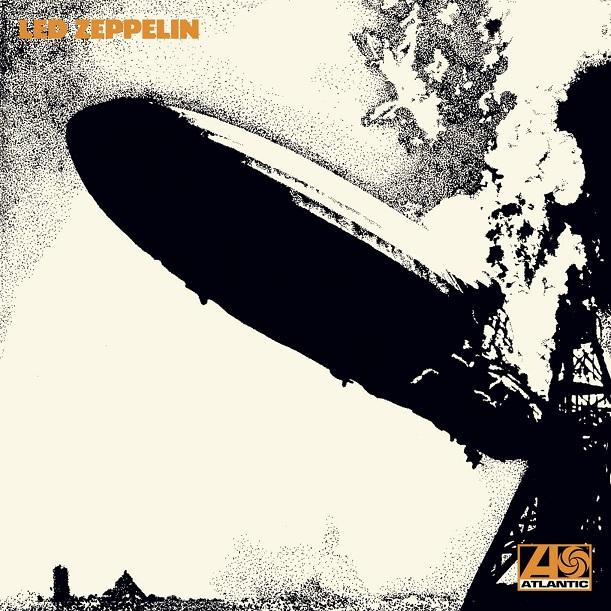
LED ZEPPELIN
Links
Buy
Led Zeppelin Vinyl - direct link @ ebay.co.uk
(Lenin is a participant in the eBay (EPN) affiliate program)
Led Zeppelin Fascinating Facts
Human League Fascinating Facts
Visage / Steve Strange Fascinating Facts
Tears For Fears Fascinating Facts
Queen / Freddie Mercury Fascinating Facts
Danny Thompson Fascinating Facts
Talking Heads Fascinating Facts
Porcupine Tree Fascinating Facts
Adam and the Ants Fascinating Facts
Queen / Freddie Mercury Fascinating FactsMarc Bolan and T. Rex Fascinating Facts
Sting & The Police Fascinating Facts
Jean-Michel Jarre Fascinating Facts
Peter Gabriel Fascinating Facts
Holger Czukay Fascinating Facts
Anton Corbijn Fascinating Facts
Dexys Midnight Runners Fascinating Facts
Roxy Music / Bryan Ferry Fascinating Facts
Elvis Presley Fascinating Facts
Scott Walker Fascinating Facts
Michael Brook Fascinating Facts
Penguin Cafe Orchestra Fascinating Facts
David Bowie Rarities (Shipped From UK)
Cocteau Twins Fascinating Facts
Ryuichi Sakamoto Fascinating Facts
Haruomi Hosono Fascinating Facts
Yukihiro Takahashi Fascinating Facts
Hector Zazou Fascinating Facts
Frank Auerbach Fascinating Facts
Led Zeppelin
Artist
Led Zeppelin
Content
All the fascinating facts
More
Bitesized
Year
1960s to Present Day
Random and bite-sized facts on all things on the mythical band Led Zeppelin. Totally random but totally fascinating if you're into it. Do you know Led Zeppelin now?
--
Led Zeppelin’s Unfavourable BBC Review
Led Zeppelin didn’t impress everyone at the BBC in 1969. One assessment compared them unfavourably with Muddy Waters, describing them as an English blues group trying to imitate him. Their subsequent BBC sessions would become an important record of the band’s early sound.
--
Jimmy Page Played on Three Sessions a Day
Before Led Zeppelin, Jimmy Page was one of London’s busiest session guitarists. He recalled sometimes playing at least three sessions a day, six days a week, often arriving without knowing in advance what music he would be asked to play. The experience gave him a crash course in recording and adapting quickly to different styles.
--
The Guitar Page Used on Led Zeppelin’s First Album
Jimmy Page didn’t use his famous Gibson Les Paul for most of Led Zeppelin’s debut album. The main electric guitar was a Fender Telecaster given to him by Jeff Beck, paired with a small Supro amplifier. Page later explained how much variety he managed to get from that relatively simple setup.
--
The Guitar Bow Idea Came from a Session Musician
Jimmy Page’s use of a violin bow on guitar wasn’t something he simply dreamed up alone. During his session years, a violinist suggested he try bowing his guitar. Page experimented with it, was intrigued by the strange sounds it produced, and developed the technique further later on.
--
Page Initially Turned Down the Yardbirds
When Eric Clapton left the Yardbirds in 1965, Jimmy Page was approached about replacing him. He was doing well as a session musician and believed he could earn more that way, so he recommended his friend Jeff Beck instead. Page eventually joined the Yardbirds himself in 1966.
--
Jimmy Page Helped Finance Led Zeppelin’s First Album
Page used money he had saved from his session work to help finance Led Zeppelin’s debut album. He had not made much money during his time with the Yardbirds, so the income from playing on other people’s records helped him get his new band off the ground.
--
The Story Behind Jimmy Page’s Lost Black Beauty
Jimmy Page’s Gibson Les Paul Custom, nicknamed the Black Beauty, disappeared during a Led Zeppelin American tour in 1970. The guitar remained missing for decades. Page eventually recovered it around 2015, after a friend identified it using footage from the band’s Royal Albert Hall concert.
--
Jimmy Page’s 1972 Sessions with Indian Musicians
In 1972, Jimmy Page and Robert Plant travelled to Bombay and recorded with Indian musicians. Page was keen to hear how musicians working in a very different tradition would interpret Led Zeppelin material. Recordings from the sessions later appeared on the expanded edition of Coda, giving fans a rare glimpse of the experiment.
--
“Friends” Was Conceived with Indian Influences in Mind
Jimmy Page said he had imagined “Friends”, from Led Zeppelin III, in an Indian musical style, particularly in the way its complex rhythms could work with tabla. That idea helps explain why the song’s acoustic arrangement feels so different from the band’s heavier material.
--
Page Was Interested in Recording Techniques Before Fame
Jimmy Page was fascinated by how records were made long before Led Zeppelin existed. During his session years, he paid attention to the sound and production of the records he heard, not just the guitar playing. That interest later shaped his approach to arranging, layering and producing Led Zeppelin’s albums.
--
Jimmy Page’s Early Equipment Was Whatever He Could Afford
When Led Zeppelin began, Page didn’t have the familiar collection of expensive guitars and amplifiers associated with his later image. He recalled using a Telecaster, a Harmony acoustic, leftover cabinets from the Yardbirds and a mixture of Vox and Hiwatt amplifiers. The distinctive sound of the first album came from making the most of limited equipment.
--
LED ZEPPELIN
Links
Buy
Led Zeppelin Japanese Vinyl - direct link @ ebay.co.uk
(Lenin is a participant in the eBay (EPN) affiliate program)
--
Robert Plant Was Once Sacked for His Singing
Before Led Zeppelin, Plant was in an early version of the Band of Joy whose manager told him he couldn't sing. Plant recalled pleading for another chance, but the decision stood. A few years later, Jimmy Page was travelling to a Birmingham college to hear him perform with another group, Hobbstweedle.
--
Noddy Holder Was Once His Roadie
Before Slade became famous, Noddy Holder was working alongside his father's window-cleaning business and occasionally helping out as a roadie. Plant recalled gigs where Holder's father's buckets rattled around on top of the band's van. It was all a long way from the arena shows that both men would eventually become associated with.
--
Plant’s First Band of Joy Was Obsessed with American Music
Plant's original Band of Joy drew on both blues and the experimental West Coast sound of groups such as Jefferson Airplane and Moby Grape. The band played extended, free-form passages that could change from night to night. Plant later reflected that their approach might have found a bigger audience had they been based in California rather than the Midlands.
--
He Worked Laying Tarmac Before Rock Stardom
Plant took various jobs while trying to establish himself as a singer, including work laying tarmac for the construction company George Wimpey in Birmingham in 1967. He also worked at Woolworths in Halesowen. His route into Led Zeppelin was far less straightforward than the legend of the rock frontman might suggest.
--
He Bought a Ticket to See His Heroes at Woolworths
Plant once recalled that a Saturday job at Woolworths gave him enough money to buy a five-shilling ticket to see performers such as Gene Vincent, Screaming Lord Sutch and the Pretty Things at Stourbridge Town Hall. He remembered the atmosphere of those shows as almost otherworldly, helping fuel his ambition to perform himself.
--
Robert Plant Was Recommended to Jimmy Page by Terry Reid
Jimmy Page didn't discover Plant entirely by chance. Singer Terry Reid turned down Page's invitation to join the proposed new band and suggested he check out Plant instead. Page followed the recommendation and went to see Plant performing with Hobstweedle at a Birmingham teacher-training college in 1968.
--
Plant’s Early Bands Even Tried Painted Faces
One of Plant's earlier groups experimented with painted faces before he joined Led Zeppelin. In a later interview, he remembered the idea frightening audiences and described the performances as chaotic, with one particularly large bass player throwing himself off the stage into the crowd. It was a decidedly different kind of theatricality from Zeppelin's later stage presence.
--
He Was Drawn to Bluebeat Before Led Zeppelin
Growing up near Birmingham, Plant came into contact with Jamaican music and developed an interest in Bluebeat, the Jamaican style closely associated with the development of ska. He recalled that the drummer in one of his early bands had a remarkable feel for the rhythm, which encouraged him to explore music beyond the blues.
--
Plant’s Welsh Holidays Shaped His Lyrics
Plant spent childhood holidays in Wales, returning to a remote cottage called Bron-yr-Aur in 1970 with Jimmy Page. The pair wrote material there that helped move Led Zeppelin towards a more acoustic sound. Welsh landscapes, folklore and mythology also became recurring sources of imagery in Plant's lyrics.
--
Plant Once Refused to Be Defined by Led Zeppelin
After Led Zeppelin ended, Plant deliberately resisted being treated as simply the former singer of a famous band. In interviews during his solo career, he spoke about how difficult it was to escape the group's shadow and how he wanted to pursue other musical interests. His later work drew on blues, folk, world music and American roots traditions rather than attempting to recreate Zeppelin's sound.LED ZEPPELIN
Links
Buy
Led Zeppelin Japanese Vinyl - direct link @ ebay.co.uk
(Lenin is a participant in the eBay (EPN) affiliate program)
--
John Bonham Recorded with Paul McCartney’s Wings
In 1976, John Bonham played drums on an early version of Paul McCartney and Wings’ “Beware My Love”. That recording remained unreleased for decades before appearing on the expanded edition of Wings at the Speed of Sound in 2014. It’s a fascinating chance to hear Bonham playing outside Led Zeppelin.
--
Keith Moon Joined Bonham on Stage
During Led Zeppelin’s Los Angeles show on 23 July 1977, Keith Moon joined the band on stage. Rather than bringing a full drum kit, Moon added percussion with bongos and tambourine before briefly sitting behind Bonham’s drums. Two of rock’s most distinctive drummers shared a stage, albeit informally.
--
Bonham Once Tried Playing with The Damned
The Damned’s Dave Vanian recalled that Bonham turned up at one of the punk band’s gigs and wanted to play drums. According to Vanian, the audience threw things at him, and Bonham’s performance became chaotic. It’s an unusual story of a major rock star walking into a very different musical scene, although it rests on Vanian’s recollection rather than a surviving recording.
--
His Drum Teacher Told Him to Stop Hitting So Hard
Bill Harvey, a local drummer who knew Bonham, remembered advising him not to hit the drums so hard. Bonham wasn’t interested in softening his approach. Harvey later said he had never taught Bonham formal rudiments such as paradiddles, and was struck by his natural timing, footwork and instinctive feel for rock music.
--
Bonham Rarely Gave Interviews
John Bonham was often the quietest member of Led Zeppelin when journalists came calling. That made a lengthy radio interview recorded in 1972 by Australian broadcaster Graeme Berry particularly valuable. The recording was rediscovered by Australia’s National Film and Sound Archive and later used in the authorised documentary Becoming Led Zeppelin.
--
He Started Playing Drums in a School Pantomime
In a 1972 radio interview, Bonham traced the beginning of his musical life to around the age of 14, when he played drums in a school pantomime. From there, he began performing with small local groups. His route to becoming one of rock’s most recognisable drummers started with school entertainment and local gigs rather than formal musical training.
--
His First Musical Influences Weren’t Just Drummers
When asked about his early influences in the 1972 interview, Bonham mentioned groups such as Johnny Kidd and the Pirates and the Hollies. His formative musical world therefore included British beat groups as well as the celebrated jazz drummers often associated with his style.
--
“Moby Dick” Grew from His Natural Playing Style
Bill Harvey recalled asking Bonham about the bass-drum triplets he played, but Bonham simply laughed and said he had to have the technique. Harvey described him as a drummer who tended to go with instinct rather than sit down and work everything out methodically. That approach became a defining feature of Bonham’s extended drum solo “Moby Dick”.
--
Bonham Played at Paul McCartney’s Rockestra Concert
In December 1979, Bonham joined Paul McCartney’s all-star Rockestra for the Concert for the People of Kampuchea in London. The ensemble brought together musicians from several major British rock acts. It was one of Bonham’s final live appearances outside Led Zeppelin, and a rare opportunity to hear him as part of a large collective rather than his own band.
--
Jimmy Page Thought the Room Was Part of Bonham’s Sound
Jimmy Page paid close attention to how Bonham’s drums were recorded. Rather than placing microphones right up against every drum, Page valued the natural ambience of the room, which helped give the kit depth and power. The sound of Bonham on Led Zeppelin’s records was therefore not just about how hard he played, but also how the drums were captured in the studio.
--
LED ZEPPELIN
Links
Buy
Led Zeppelin Japanese Vinyl - direct link @ ebay.co.uk
(Lenin is a participant in the eBay (EPN) affiliate program)
--
John Paul Jones Was a Church Organist at 14
Before becoming one of rock’s most versatile musicians, John Paul Jones was already playing organ and working as a choirmaster at the age of 14. His musical background included classical training, and that knowledge later helped him bring keyboards, orchestral arrangements and unusual textures into Led Zeppelin’s music.
--
He Arranged the Strings on “She’s a Rainbow”
John Paul Jones worked on the Rolling Stones’ 1967 song “She’s a Rainbow”, arranging the strings after the basic track had been recorded. It’s a good example of how busy he was as a session musician before joining Led Zeppelin, and how his arranging work could appear on records by artists from completely different musical worlds.
--
Donovan’s “Sunshine Superman” Nearly Went Wrong
Jones recalled that an early session for Donovan’s “Sunshine Superman” was going badly because he thought the arrangement was wrong. He suggested simplifying the bass parts and making the rhythm more straightforward. The experience showed how, even as a young session musician, he was prepared to speak up when he thought a recording could be improved.
--
His Real Name Was John Baldwin
John Paul Jones was born John Baldwin. The name he became famous under was suggested by his manager, Andrew Loog Oldham, after the title of the 1959 film John Paul Jones. He adopted it professionally before Led Zeppelin was formed, so it wasn’t a name invented for the band.
--
He Worked with Nico Before Led Zeppelin
Jones’s pre-Zeppelin credits included work connected with Nico, the German-born singer who became associated with the Velvet Underground. His session career exposed him to music far removed from the blues-rock sound Led Zeppelin would become famous for, helping explain the breadth of styles he brought to the group.
--
He Produced an Album by the Butthole Surfers
After Led Zeppelin ended, Jones took on projects that few people would have predicted from the band’s quiet bassist. In 1993, he produced the Butthole Surfers’ album Independent Worm Saloon. The group’s abrasive, unpredictable alternative rock was a long way from Zeppelin’s classic sound, but Jones was happy to work in unfamiliar territory.
--
He Made an Album with Diamanda Galás
Jones collaborated with avant-garde vocalist Diamanda Galás on the 1994 album The Sporting Life. Galás was known for her extraordinary vocal range and intense experimental performances. The collaboration revealed a side of Jones that was easy to miss during Led Zeppelin’s heyday: a musician interested in exploring challenging and unconventional sounds.
--
He Composed a Film Soundtrack After Zeppelin
In 1984, Jones composed the music for Scream for Help, a thriller directed by Michael Winner. Rather than returning immediately to a conventional rock band, he explored soundtrack writing and the possibilities of composing for film. It was one of several ways he developed his musical career after Led Zeppelin came to an end.
--
He Played Lap Steel with Seasick Steve
Jones’s later recording work has included far more than bass and keyboards. On Seasick Steve’s 2013 album Hubcap Music, he played several instruments, including mandolin, ukulele, lap steel guitar, organ and banjo. It’s a striking example of the range of instruments he continued to explore long after his Led Zeppelin years.
--
He Joined Dave Grohl and Josh Homme in Them Crooked Vultures
In 2009, Jones teamed up with Foo Fighters drummer Dave Grohl and Queens of the Stone Age frontman Josh Homme to form Them Crooked Vultures. Jones took the bass role, while the group gave him a chance to play in a new heavy-rock setting. Their self-titled album appeared that year, followed by extensive touring in 2009 and 2010.
--
LED ZEPPELIN
Links
Buy
Led Zeppelin Japanese Vinyl - direct link @ ebay.co.uk
(Lenin is a participant in the eBay (EPN) affiliate program)
--
Peter Grant Worked at the Croydon Empire
Before he became one of rock’s most powerful managers, Peter Grant worked backstage at the Croydon Empire theatre. He learned the entertainment business from the ground up, watching how live shows operated before moving into work with touring musicians. His early experience gave him a practical understanding of the business long before Led Zeppelin existed.
--
He Worked as a Professional Wrestler
Peter Grant’s pre-management career included professional wrestling, where he performed under the name Count Bruno Alessio. He also worked as an actor and film extra, even doubling for the portly actor Robert Morley. His imposing size later became part of his reputation in the music business, but his early showbusiness career was more varied than many fans realise.
--
Gene Vincent Helped Teach Him the Touring Business
Grant worked as a tour manager for American performers including Gene Vincent and Little Richard. He learned how touring worked by dealing with the practical problems that came with moving musicians around Britain. That experience became particularly useful when Led Zeppelin began touring America, where Grant negotiated aggressively on the band’s behalf.
--
He Helped Turn Led Zeppelin into an Album-First Band
Peter Grant backed Led Zeppelin’s decision to concentrate on albums rather than regularly releasing singles in Britain. The band also avoided routine television appearances, helping maintain an air of mystery around them. At a time when television exposure and hit singles were central to many artists’ promotion, Grant pursued a different strategy: audiences could discover the band through their records and live shows.
--
He Negotiated an Unusually Large Share of Concert Receipts
In the early 1970s, Led Zeppelin were able to secure a reported 90 per cent of concert gross receipts under arrangements negotiated by Grant. This was a striking deal in an industry where promoters and intermediaries often took a much larger share. Grant’s approach helped make the band exceptionally profitable on tour and influenced expectations about how major acts could negotiate.
--
He Helped Secure a Huge Record Deal for Led Zeppelin
When Led Zeppelin signed with Atlantic Records, Grant negotiated a substantial advance and gave the band considerable creative freedom. The arrangement was unusual for a new group, particularly one without a released album. Grant understood that Jimmy Page wanted control over the recordings and worked to secure a deal that supported that ambition.
--
He Ordered British Copies of “Whole Lotta Love” Destroyed
Atlantic released “Whole Lotta Love” as a single in the United States, but Led Zeppelin resisted the idea of releasing it in Britain. A small number of British copies were pressed before Grant ordered their destruction. Some survived, turning the rare pressing into a sought-after collector’s item and an example of how firmly the band stuck to its album-focused policy.
--
Swan Song Records Was More Than a Led Zeppelin Label
Grant helped launch Swan Song Records in 1974, giving Led Zeppelin a label of their own while also signing other artists. Its roster included Bad Company, the Pretty Things and Maggie Bell. The label allowed the band to expand its influence beyond its own releases, although it never developed into a major rival to the established record companies.
--
He Managed Bad Company as Well as Led Zeppelin
Peter Grant also managed Bad Company, the group formed by former Free members Paul Rodgers and Simon Kirke alongside guitarist Mick Ralphs and bassist Boz Burrell. Bad Company became one of Swan Song’s biggest successes, with its 1974 debut album reaching the top of the American album chart. Grant was therefore helping build a second successful rock act while Led Zeppelin were still at their peak.
--
A Letter from Robert Plant Revealed Tensions with Grant
Research for Mark Blake’s authorised biography, Bring It On Home, uncovered a letter in which Robert Plant fired Peter Grant. The discovery offered a glimpse of tensions behind the scenes that were not widely known. Grant remained closely connected to the band for years, but the relationship between manager and musicians was not always as straightforward as his public image suggested.--
LED ZEPPELIN
Links
Buy
Led Zeppelin Japanese Vinyl - direct link @ ebay.co.uk
(Lenin is a participant in the eBay (EPN) affiliate program)
--
The Unreleased “La La” from Led Zeppelin II
When Led Zeppelin II was reissued in 2014, its companion disc included “La La”, a previously unreleased recording from the album’s era. It offered a glimpse of material that had remained in the vaults for decades, even as the band’s familiar songs became rock standards.
--
“Sugar Mama” Was Recorded Before the Debut Album
“Sugar Mama” was recorded in 1968 during sessions for Led Zeppelin’s debut album but remained unreleased until the expanded edition of Coda appeared in 2015. The blues-based performance captures the group in its earliest recording period, before much of its best-known catalogue had taken shape.
--
“St. Tristan’s Sword” Sat in the Vault for Decades
Led Zeppelin recorded the instrumental “St. Tristan’s Sword” during the sessions for Led Zeppelin III in 1970. It remained unheard officially until it appeared on the companion disc of the Coda deluxe edition in 2015. Its release gave fans another small piece of the band’s creative process during a period when they were moving beyond heavy blues-rock.
--
An Early “Friends” Had No Orchestration
The 2018 Record Store Day release included an unreleased Olympic Studios mix of “Friends”. Unlike the finished version on Led Zeppelin III, this stripped-down recording lacks the orchestration, giving a clearer view of the band’s underlying arrangement before it was expanded.
--
“When the Levee Breaks” Had an Earlier Working Title
An early version of “When the Levee Breaks” appeared on the Coda deluxe companion disc under the title “If It Keeps On Raining”. The alternate recording reveals the song at an earlier stage of development, before it became the monumental, echo-heavy track that closes Led Zeppelin IV.
--
The Band Recorded “Down by the Seaside” Years Before Its Release
“Down by the Seaside”, eventually released on Physical Graffiti in 1975, originated during the period when Led Zeppelin were working on material around Led Zeppelin III. The song’s long journey to release is a reminder that the band’s albums were not simply collections of songs written and recorded in neat chronological order.
--
“Jennings Farm Blues” Was an Early “Bron-Y-Aur Stomp”
The Led Zeppelin III companion disc included “Jennings Farm Blues”, an instrumental version of the piece that developed into “Bron-Y-Aur Stomp”. Hearing the earlier recording reveals how the band could start with a musical idea and gradually reshape it into a finished song, rather than arriving at the final arrangement straight away.
--
“Bathroom Sound” Was an Instrumental “Out on the Tiles”
Another track on the Led Zeppelin III companion disc, “Bathroom Sound”, is an instrumental version of “Out on the Tiles”. It strips away the vocal and lets listeners concentrate on the arrangement and interplay between the musicians, offering a rare look at the song before it became the album version.
--
Led Zeppelin II Was Recorded Across Several Studios
Led Zeppelin were touring heavily while making their second album, so the recording sessions took place in different studios in both Britain and America. Rather than waiting for a single block of studio time, the band developed songs around their touring schedule. The album was released only seven months after their debut, despite this scattered recording process.
--
“Rock and Roll” Had a Different Sunset Sound Mix
A previously unreleased Sunset Sound mix of “Rock and Roll” was issued for Record Store Day in 2018. It belonged to a group of alternate mixes associated with the recording of Led Zeppelin IV, and allowed listeners to hear a different version of one of the band’s most direct, tightly constructed songs.
--
LED ZEPPELIN
Links
Buy
Led Zeppelin Japanese Vinyl - direct link @ ebay.co.uk
(Lenin is a participant in the eBay (EPN) affiliate program)
--
“The Hook” Was the Working Title for “All My Love”
When Led Zeppelin recorded In Through the Out Door, “All My Love” was known during the sessions as “The Hook”. The early version appeared on the album’s 2015 companion disc, allowing listeners to hear the song before it reached its finished form. The title is a reminder of how different a familiar track can look while it’s still being developed.
--
“Carouselambra” Was Once Called “The Epic”
The sprawling “Carouselambra” had the working title “The Epic” during the In Through the Out Door sessions. An early rough mix was released in 2015, revealing the song’s development before the band settled on its final arrangement and title.
--
“I’m Gonna Crawl” Was Briefly Known as “Blot”
The early working title for “I’m Gonna Crawl” was “Blot”. The rough mix appeared on the In Through the Out Door companion disc, alongside early versions of the other album tracks. It’s one of several examples of Led Zeppelin’s archive revealing the temporary names they gave songs in the studio.
--
“Four Sticks” Was Recorded with the Bombay Orchestra
In 1972, Robert Plant and Jimmy Page travelled to Bombay and recorded with the Bombay Orchestra. The sessions included an orchestral version of “Four Sticks”, released decades later as “Four Hands” on the Coda deluxe edition. It’s a rare example of Zeppelin material being reworked with Indian musicians and orchestral arrangements.
--
“Friends” Also Had a Bombay Orchestra Version
The Bombay sessions also produced a version of “Friends”, the acoustic song from Led Zeppelin III. It was eventually released alongside “Four Hands” on the Coda companion discs. The recordings reveal Page and Plant exploring a different musical setting for songs that had originally been shaped by the band’s own acoustic and electric instruments.
--
“Poor Tom” Had an Instrumental Mix
“Poor Tom” was recorded in 1970 but didn’t appear on an album until Coda in 1982. The 2015 deluxe edition added an instrumental mix, making it possible to hear the track without Robert Plant’s vocal. The song was one of several recordings from this period that remained unreleased for years.
--
The Band Recorded “Baby Come On Home” in 1968
“Baby Come On Home” was recorded during the sessions for Led Zeppelin’s debut album in 1968 but wasn’t officially released until 1993. It later appeared on the expanded Coda edition. The track’s soulful arrangement gives a different view of the band’s early sound, with Plant delivering a performance rooted in rhythm and blues.
--
“Wearing and Tearing” Was Written for a Punk Audience
Led Zeppelin recorded “Wearing and Tearing” during the sessions for In Through the Out Door, but it was left off the album and eventually released on Coda. Its brisk pace and raw delivery have often been discussed in relation to punk, which was challenging established rock acts in Britain at the time. The song showed that Zeppelin could deliver a short, direct rocker as well as their extended epics.
--
“Darlene” Was Recorded During the In Through the Out Door Sessions
“Darlene” was recorded during the sessions for In Through the Out Door but didn’t appear until Coda. The song features a loose, piano-led rock-and-roll feel, with John Paul Jones’s keyboard playing prominent in the arrangement. Its delayed release shows how the band’s recording sessions generated more material than made it onto the original albums.
--
“The Wanton Song” Had an Alternate Early Mix
An early rough mix of “The Wanton Song” appeared on the Physical Graffiti deluxe edition in 2015. The recording comes from the Headley Grange period and lets listeners hear the track before the final mix was completed. It’s one of several examples of Jimmy Page opening up Led Zeppelin’s recording archive to reveal the steps between an idea and the finished record.
--
LED ZEPPELIN
Links
Buy
Led Zeppelin Japanese Vinyl - direct link @ ebay.co.uk
(Lenin is a participant in the eBay (EPN) affiliate program)
--
The BBC initially gave Led Zeppelin a rather brutal review
When BBC producers assessed Led Zeppelin in 1969, one audition report described them as an English blues group trying to sound like Muddy Waters and concluded that the reviewer would rather hear “the genuine article”. The band went on to make several BBC recordings despite that initial verdict.
--
A surviving record of Zeppelin’s first BBC television appearance is missing
On 21 March 1969, Led Zeppelin appeared on the BBC pilot programme “How Late It Is”, playing “Communication Breakdown”. The BBC tape of the programme is no longer held in its archives.
--
A BBC payment cheque to Jimmy Page was marked “Ordered not to pay”
While looking through old papers, Page found a cheque connected with the band’s BBC sessions marked “Ordered not to pay”. The story resurfaced during a later radio programme, when the cheque was replaced.
--
A cassette helped Jimmy Page track down the original BBC tapes
When Page began preparing the BBC sessions for release, he was unhappy with the digital copy supplied by the BBC. His own cassette sounded better, prompting him to investigate its source. That hunch helped lead to the discovery of the original master tapes in the BBC’s vaults.
--
BBC sessions were recorded at remarkable speed
Page recalled that BBC sessions could be completed in little more than an hour. The band would record the track, add Robert Plant’s vocal and then make further overdubs, often working to a tight schedule.
--
Headley Grange offered Led Zeppelin a different recording environment
For the fourth album, the band worked at Headley Grange, a former workhouse in Hampshire. The residential setting allowed them to stay together and work away from the usual distractions of a commercial studio.
--
Led Zeppelin II was recorded across several cities
Although it sounds like a unified album, “Led Zeppelin II” was recorded while the band were touring, using studios in different locations. Its recording history was far less settled than the finished record might suggest.
--
The “Moby Dick” companion track offers a rougher version
The 2014 deluxe edition of “Led Zeppelin II” included an “Intro/Outro Rough Mix” of “Moby Dick”. It gives listeners a chance to hear a less polished version of the track’s opening and ending.
--
“La La” appeared on the Led Zeppelin II companion disc
The 2014 deluxe reissue included “La La”, identified as a backing track. It was among the previously unreleased studio recordings selected for the companion disc, offering a glimpse of material that had remained outside the original album.
--
Jimmy Page was unhappy with his guitar sound during part of the BBC “Whole Lotta Love” medley
Page later discussed problems with his guitar going out of tune during a BBC performance. It was a reminder that even the band’s celebrated live recordings could contain moments he wasn’t happy with.
--
LED ZEPPELIN
Links
Buy
Led Zeppelin Japanese Vinyl - direct link @ ebay.co.uk
(Lenin is a participant in the eBay (EPN) affiliate program)
--
John Paul Jones helped shape the arrangement of “Stairway to Heaven”
Jones later explained that he and Jimmy Page worked out the arrangement of “Stairway to Heaven” together, section by section. His contribution went beyond the bass: his musical training and arranging experience helped shape the song’s changing textures as it develops from a quiet acoustic opening into a full-band climax.
--
John Paul Jones was already an experienced arranger before joining the band
Before Led Zeppelin formed, Jones had worked as a session musician and arranger for a wide range of artists. He recalled buying a book on orchestration when he was offered arranging work, teaching himself what he needed rather than turning the opportunity down.
--
Jones had to correct a persistent rumour about “Hurdy Gurdy Man”
Jones played bass on Donovan’s “Hurdy Gurdy Man”, but he specifically disputed the long-running claim that Jimmy Page played guitar on the recording. In an interview, Jones identified Alan Parker as the guitarist and Clem Cattini as the drummer, adding that he had booked Cattini himself.
--
“No Quarter” was attempted before it appeared on Houses of the Holy
The song’s history stretches back further than its appearance on the 1973 album. Earlier attempts were made during the sessions at Headley Grange, before the band developed the version that became familiar on “Houses of the Holy”.
--
Jimmy Page and John Paul Jones could bring developed arrangements to the studio
By the time Led Zeppelin were preparing “Houses of the Holy”, both Page and Jones had home-studio facilities. That meant they could arrive at recording sessions with substantial parts of their compositions and arrangements already worked out, rather than building every song from scratch in the studio.
--
Led Zeppelin’s first rehearsal included a song from Garnet Mimms
Robert Plant recalled that the band’s first rehearsal included “As Long as I Have You”, a song associated with American soul singer Garnet Mimms. Plant had already performed it with his earlier group, the Band of Joy, so it was a piece of familiar material for him to bring into the new lineup.
--
Jimmy Page kept diaries from the band’s early years
While helping filmmakers make “Becoming Led Zeppelin”, Page brought along personal diaries from the 1960s. They provided a rare first-hand record of the period leading up to the band’s formation and early rise.
--
Led Zeppelin’s first album was recorded with unusually tight studio control
Page later said the debut album required roughly 36 hours of studio time, including mixing, spread over several weeks. He and Peter Grant financed the sessions themselves, giving the band greater control over the recording process before they had a record-company deal in place.
--
“Immigrant Song” nearly became a UK single
Although Led Zeppelin generally resisted releasing singles in the UK, “Immigrant Song” was considered for single release. The track ultimately became one of the best-known opening statements on “Led Zeppelin III”, released in October 1970.
--
Some Led Zeppelin III recordings waited years for release
Material recorded around the “Led Zeppelin III” period did not necessarily end up on that album. “Down by the Seaside” appeared later on “Physical Graffiti”, while the instrumental “Bron-Y-Aur” was eventually released on “Physical Graffiti” as well. The sessions show how songs and musical ideas could remain in the band’s orbit for years before finding an album home.
--
Search Keywords
Led Zeppelin
Jimmy Page
Icons
LED ZEPPELIN
Links
Buy
Led Zeppelin Vinyl - direct link @ ebay.co.uk
(Lenin is a participant in the eBay (EPN) affiliate program)
Led Zeppelin Fascinating Facts
Human League Fascinating Facts
Visage / Steve Strange Fascinating Facts
Tears For Fears Fascinating Facts
Queen / Freddie Mercury Fascinating Facts
Danny Thompson Fascinating Facts
Talking Heads Fascinating Facts
Porcupine Tree Fascinating Facts
Adam and the Ants Fascinating Facts
Visage / Steve Strange Fascinating FactsTears For Fears Fascinating Facts
Queen / Freddie Mercury Fascinating Facts
Marc Bolan and T. Rex Fascinating Facts
Sting & The Police Fascinating Facts
Jean-Michel Jarre Fascinating Facts
Peter Gabriel Fascinating Facts
Holger Czukay Fascinating Facts
Anton Corbijn Fascinating Facts
Dexys Midnight Runners Fascinating Facts
Roxy Music / Bryan Ferry Fascinating Facts
Elvis Presley Fascinating Facts
Scott Walker Fascinating Facts
Michael Brook Fascinating Facts
Penguin Cafe Orchestra Fascinating Facts
David Bowie Rarities (Shipped From UK)
Cocteau Twins Fascinating Facts
Roxy Music / Bryan Ferry Fascinating Facts
Ryuichi Sakamoto Fascinating Facts
Haruomi Hosono Fascinating Facts
Yukihiro Takahashi Fascinating Facts
Hector Zazou Fascinating Facts
Frank Auerbach Fascinating Facts